
 Image 1 of 1
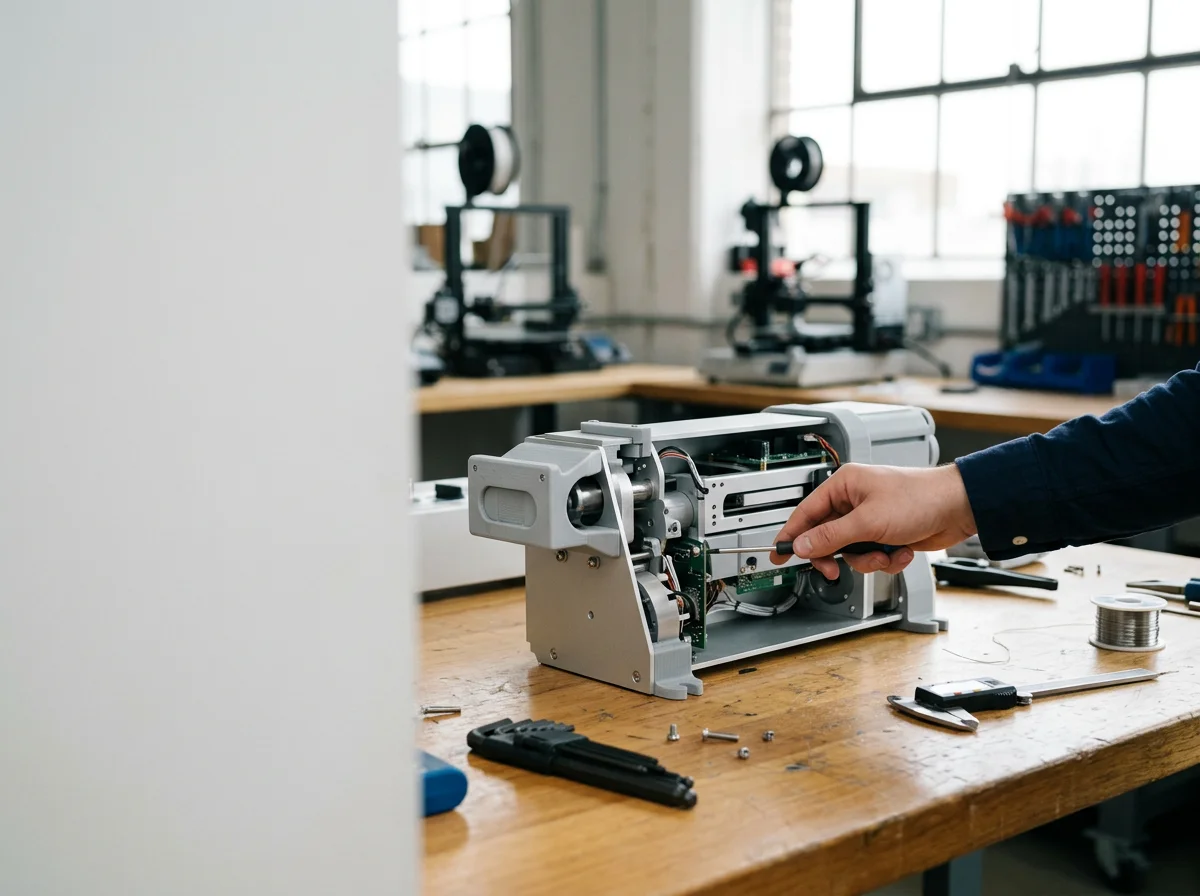
Prototyping physical objects is the fast, tangible way to test ideas, validate assumptions, and reduce risk in industrial design and product engineering. Building early prototypes—sketch models, 3D-printed parts, foam assemblies, or simple working mockups—lets teams quickly evaluate form, fit, ergonomics, materials, and basic function before committing to costly tooling or full-scale production.
Iterating often accelerates learning: each prototype exposes unknowns, surfaces user feedback, and reveals manufacturing constraints that inform better decisions. Early prototypes catch major design flaws when they’re cheap and simple to fix; frequent iterations refine details like tolerances, assembly methods, and user interactions. This reduces late-stage changes, shortens development cycles, and improves manufacturability, reliability, and user satisfaction.
A disciplined prototyping cadence—rapid low-fidelity models for concept validation, mid-fidelity prototypes for usability and mechanical testing, and high-fidelity pre-production units for verification—creates measurable milestones and alignment across design, engineering, and manufacturing. The result: lower cost, faster time to market, and products that perform as intended in real-world use.
Rude Cherry helps turn concepts into physical prototypes at every fidelity level. We use 3D CAD to iterate designs quickly and accurately, then realize those designs with 3D printing, laser cutting, and hands-on fabrication. Whether you need quick sketch models to vet form and ergonomics, functional 3D-printed parts for mechanical testing, precision laser-cut components, or assembled mockups to evaluate user interaction, we provide the tools and expertise to prototype efficiently. Our process focuses on rapid iteration, practical manufacturability feedback, and clear verification steps so your team can de-risk decisions, validate assumptions, and move confidently toward production.